
A seismic shift in the landscape!
A seismic shift in the landscape! New energy vehicles have comprehensively overtaken petrol and diesel vehicles
By 2025, Chinese-branded new energy vehicles had gained widespread popularity, with new energy passenger cars achieving a market penetration rate of 57%. This marked the first time they surpassed traditional fuel-powered vehicles, signifying that China's automotive industry had formally entered an era dominated by new energy vehicles.
According to data from the Passenger Car Association, cumulative retail sales in China's passenger vehicle market reached 23.744 million units in 2025, representing a year-on-year increase of 3.8%. Within this, new energy passenger vehicle retail sales amounted to 12.809 million units, up 17.6% year-on-year, accounting for 57% of the market. Domestic retail sales of traditional fuel vehicles stood at 10.935 million units, down 9% year-on-year, representing 43% of the market.
Chen Shihua, Deputy Secretary-General of the China Association of Automobile Manufacturers, stated that in 2025, the ‘Two New’ policies will be intensified and expanded, ensuring a smooth transition and orderly integration. Against this backdrop, the concentrated launch of new models has effectively stimulated market vitality, enabling sustained release of terminal demand and driving annual automobile production and sales to achieve growth exceeding expectations.
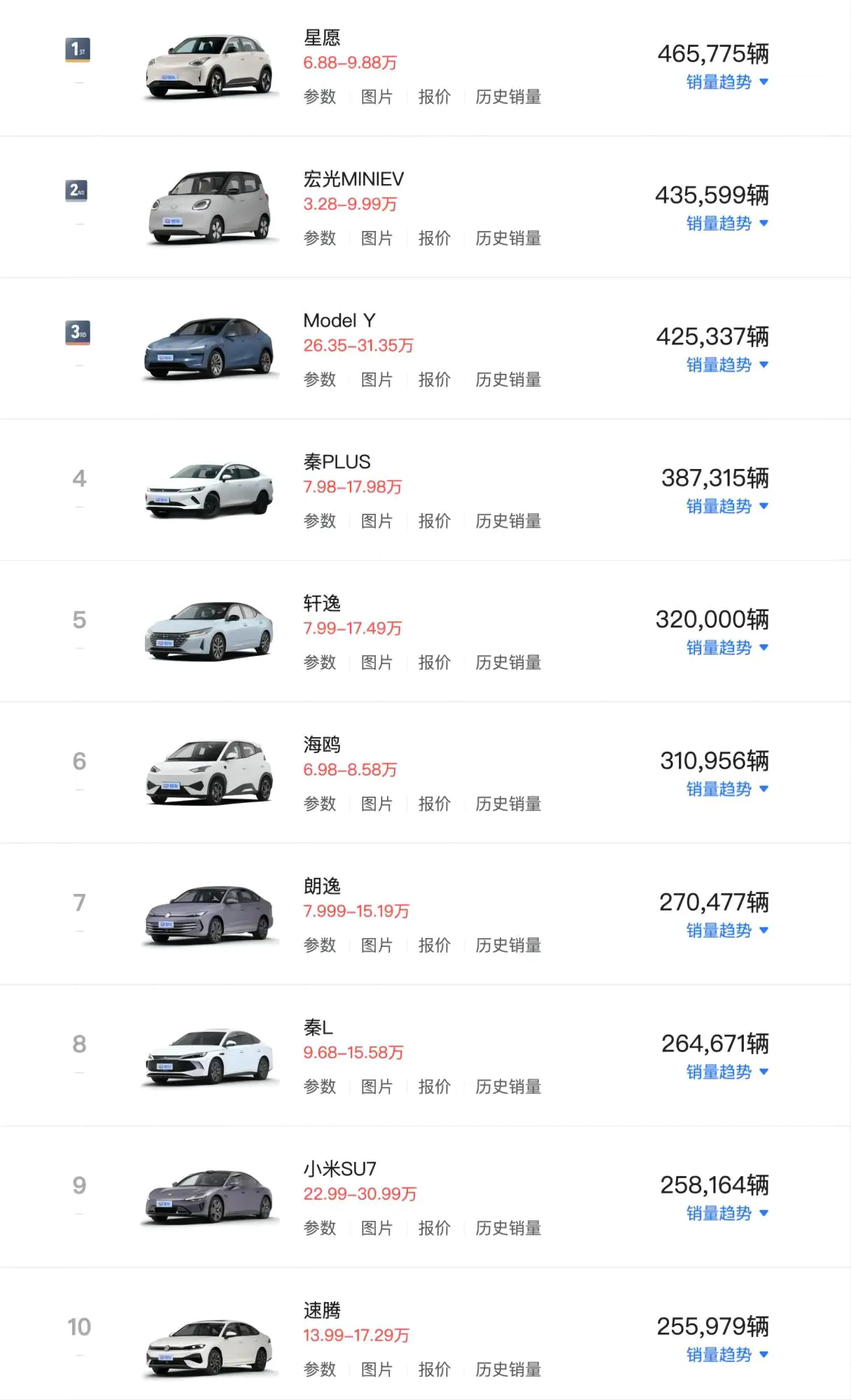
domestic brands. Among the top ten models in the domestic single-model rankings, only the Nissan Sylphy, Volkswagen Lavida/ Sagitar. The remaining positions are occupied by Chinese brands. Among these, three models surpass annual sales of 400,000 units: the Geely Xingyuan, Wuling Hongguang MINIEV, and Tesla Model Y. Six models exceed 300,000 annual sales, including the BYD Qin PLUS, Nissan Sylphy, and BYD Seagull.
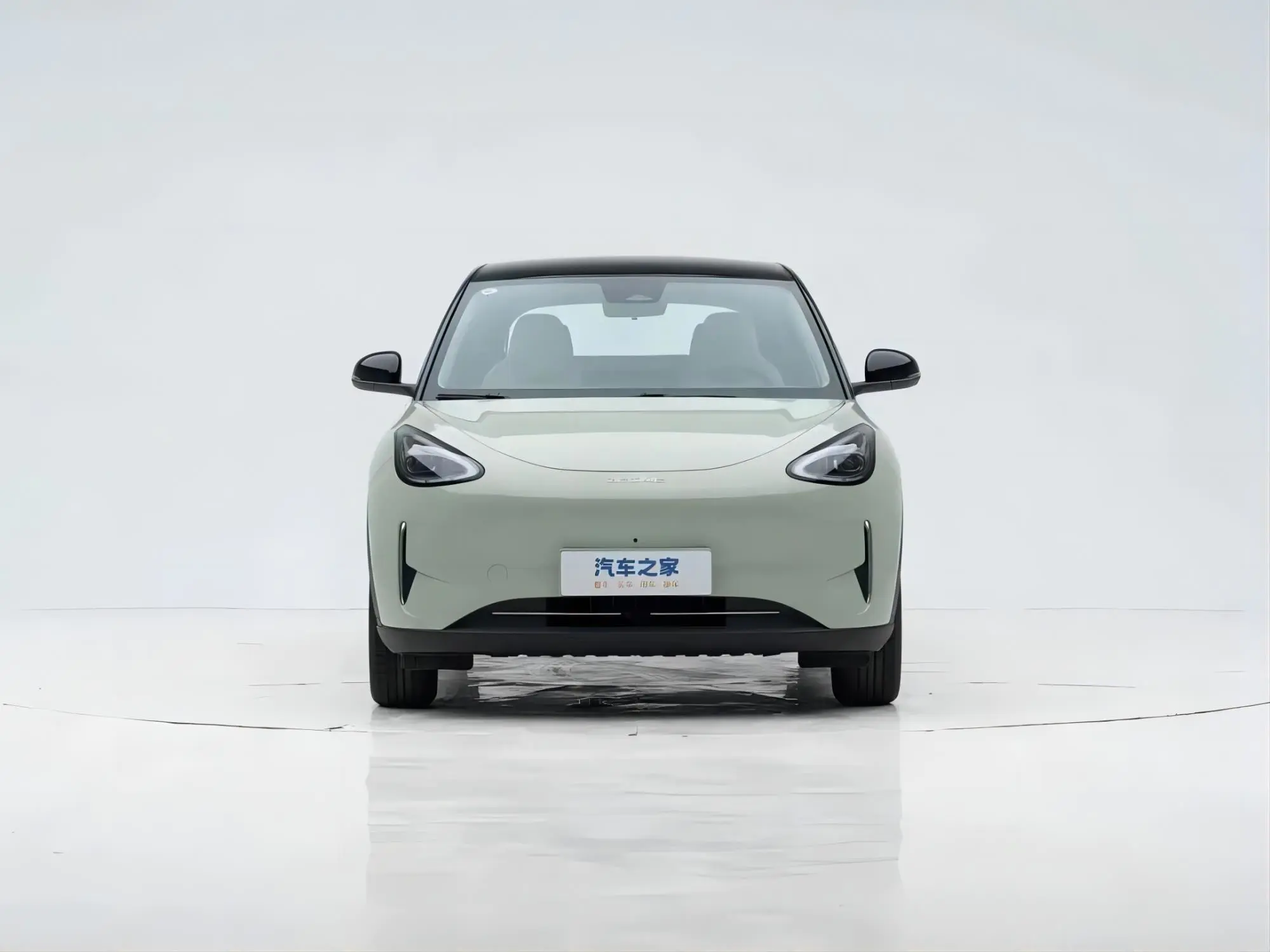
The Geely Starwish secured the top spot with sales of 465,775 units, maintaining a stable monthly volume exceeding 40,000 vehicles. Positioned as a compact model within Geely's Galaxy lineup, the Starwish debuted in October 2024 and underwent a facelift in October 2025, with a price range of ¥68,800 to ¥98,800. The Geely Starwish not only offers greater dimensions and more affordable pricing, but its charming and fashionable exterior has also resonated strongly with female consumers. The Flyme Auto cockpit delivers a notably superior infotainment experience within its segment, representing key factors behind its remarkable popularity.
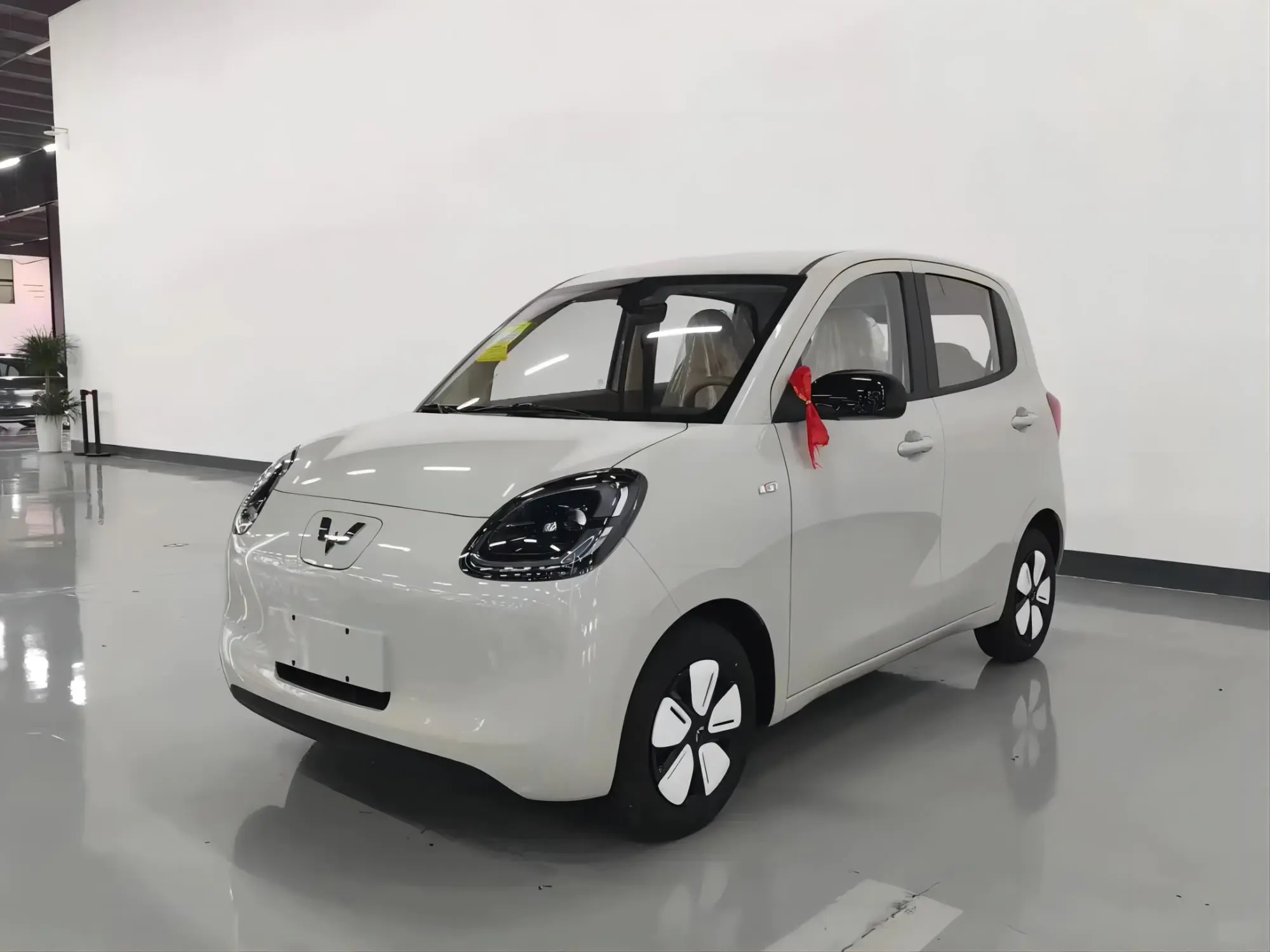
Hongguang MINIEV achieved annual sales of 435,599 units, starting from £3,580, establishing itself as the benchmark for A0-segment city runabouts. In recent years, manufacturers including Chery, Geely, and Changan have launched microcars to compete with the Hongguang MINIEV. While this has posed a short-term challenge, the MINIEV's market position remains unshakeable over the long term. The second-best-selling A0-segment vehicle, the Changan Lumin, recorded annual sales of 162,362 units – a significant gap. In February 2025, the four-door variant of the Hongguang MINIEV was launched with a starting price of ¥44,800. This addition to the range broadened consumer choice, subsequently driving sales growth.
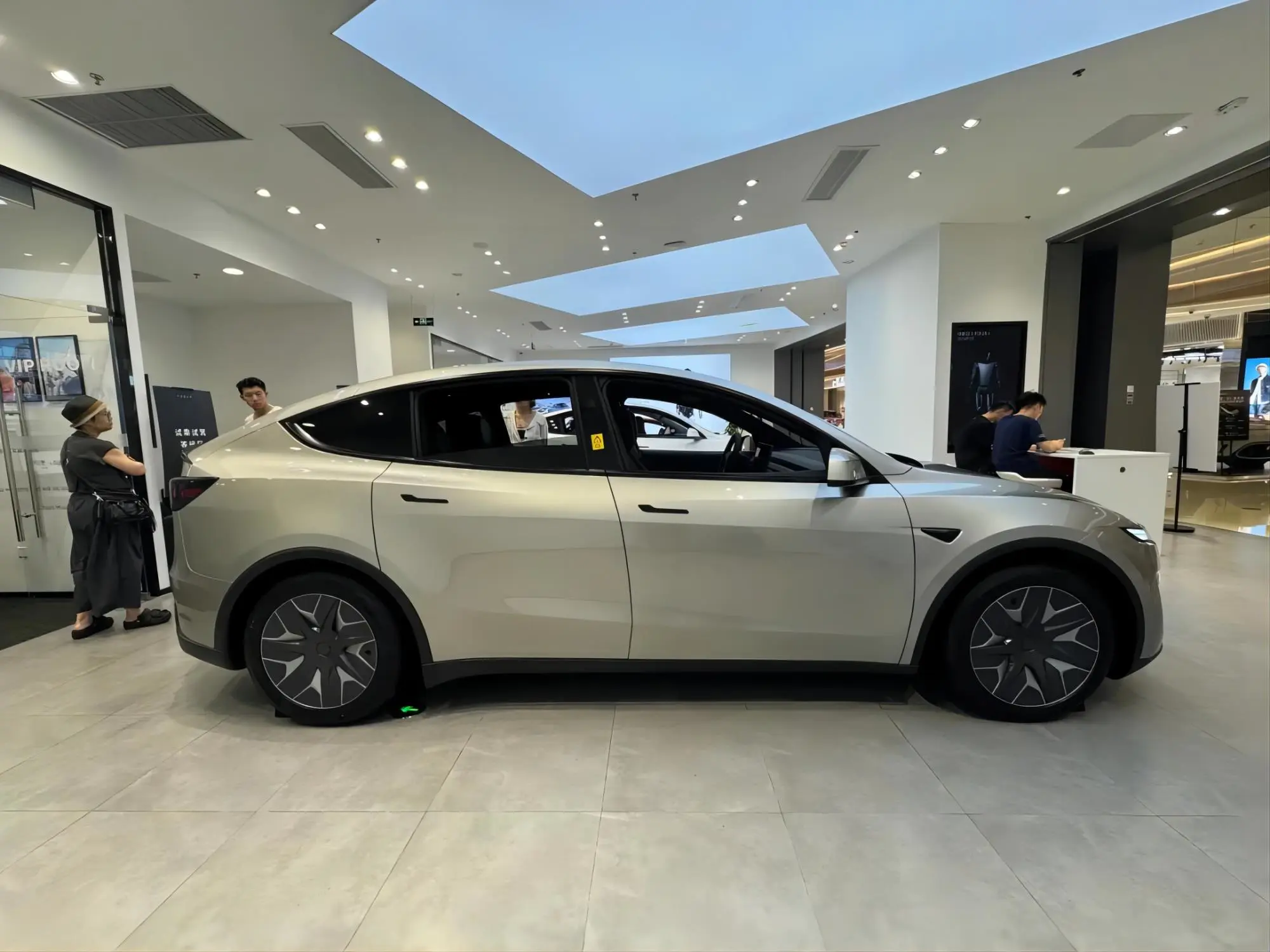
Ranking third is the Tesla Model Y, with annual sales of 425,337 units. It boasts the highest starting price among the top ten models and is the sole SUV to feature in the top ten. Notably, its December 2025 sales reached 65,874 units, setting a new record high. It must be said, the Model Y remains remarkably formidable. Though launched five years ago, despite Chinese brands introducing multiple mid-size new energy SUVs in 2025, none could displace the Model Y's position. Presently, only the Xiaomi YU7 appears capable of challenging the Model Y.
BYD is the brand with the most models in the top ten, with both the Qin PLUS and BYD Seagull exceeding 300,000 units sold – 387,315 and 310,956 respectively. The BYD Qin L recorded sales of 264,671 units.
Among the top ten models, the most closely watched vehicle is the Xiaomi SU7 from Xiaomi Automobile, which delivered 258,164 units throughout the year. The Xiaomi SU7 achieved record-breaking results in its first full year since launch, ranking ninth in the single-model list, fourth in the saloon category, and first among mid-to-large saloons. However, sales of the Xiaomi SU7 declined quarter-on-quarter in Q4 following the launch of the Xiaomi YU7. Xiaomi Auto plans to introduce a new generation SU7 in April, potentially with a price increase but featuring comprehensive powertrain upgrades. These include standard laser radar across all variants, a 700TOPS assisted driving computing chip as standard, and the V6s Plus motor as standard across the range, alongside improved range performance.
Turning to petrol vehicles, the Nissan Sylphy remains China's best-selling petrol car with annual sales of 319,990 units. Maintaining annual sales of 300,000 units amidst the dual pressures of the new energy transition and price wars is no mean feat, underscoring the enduring significance of this classic model in the minds of Chinese consumers. As planned, the new-generation Sylphy is set to launch in the first quarter with a refreshed exterior design, retaining its 1.6L naturally aspirated engine. Should pricing prove competitive or even more aggressive, it may well continue to stabilise the market.
The Volkswagen Lavida recorded annual sales of 270,477 units, representing the benchmark for German petrol-powered family saloons, though trailing the Nissan Sylphy in market share. The current Lavida range comprises the Classic Lavida, Lavida New Edge, and Lavida Pro. Launched in November 2025 with a starting price of ¥88,800, the Lavida Pro stands as the flagship model within the Lavida family. The Sagitar recorded annual sales of 255,979 units, ranking tenth. The new-generation Sagitar L debuted in September 2025, featuring comprehensive upgrades to its exterior, interior, and powertrain. Its body dimensions have been significantly extended, utilising a 1.5T engine paired with a 7-speed dual-clutch transmission. Recently, FAW-Volkswagen submitted the Sagitar S for approval with the Ministry of Industry and Information Technology, planning its unveiling in late January with a first-quarter market launch. Upon release, it will serve as the new entry-level model.
The key to Chinese brands' success lies in seizing the opportunity presented by the transition to new energy vehicles. Through persistent dedication and technological innovation, Chinese brands have successfully established an image of technological leadership in new energy among consumers. The projected overtaking of petrol vehicles by new energy passenger cars by 2025 is not coincidental, but rather an inevitable outcome of the convergence of policy, technology, and market factors. The structural shift in the top ten sales rankings signifies China's automotive market has formally entered the ‘post-combustion engine era,’ where domestic brands and new energy vehicles will become the absolute market leaders. Facing the rise of Chinese brands, joint-venture manufacturers must not only enhance value for money but also keep pace with contemporary demands. Accelerating electrification, optimising product portfolios, and deploying intelligent technologies represent the core pathways to navigate this market transformation.