
FAW + GAC "join hands" — the aftermarket follows suit
On September 29, China FAW Group and GAC Group formally signed a strategic cooperation framework agreement. Relying on asset-capital linkage and driven by technological innovation, the two sides will deepen cooperation in brand building, vehicle manufacturing, market layout, international operations, and key technology innovation, promoting cross-regional coordination of industrial resources. The significance of this move goes beyond the two automakers themselves. The signal it sends is that the basic unit of competition in China's auto industry is shifting from "a single company" to "an entire supply chain."
The transmission path is clear — as OEMs restructure, the supply chain system restructures along with them; as the supply chain restructures, supporting and aftermarket businesses must follow. This holds true domestically and abroad. For tens of thousands of Chinese auto parts companies, the playbook for going global is being rewritten.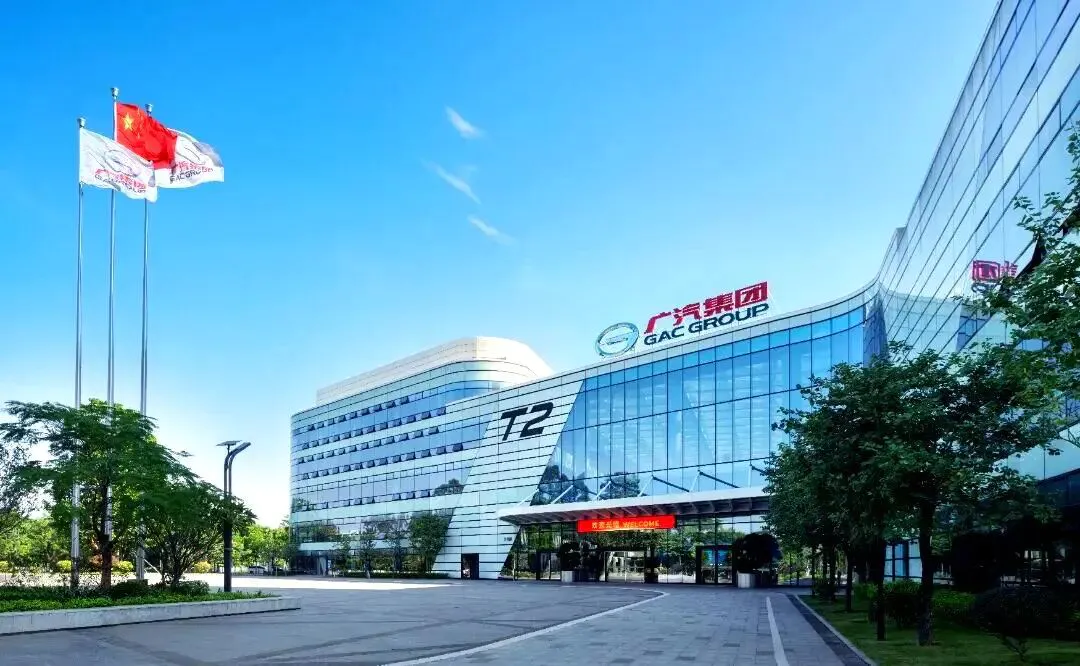
From "exporting products" to "going global with the supply chain"In the past, the path for auto parts going overseas was straightforward: find an overseas customer, attend an exhibition, open an e-commerce store, or ship goods through foreign trade orders. Since the start of this year, the globalization of China's auto industry has clearly accelerated, shifting from pure "product exports" toward an integrated layout of overseas production, supply chain supporting, after-sales service, and local operations.
For aftermarket companies, this means one thing: wherever vehicles go, parts, repair, testing, modification, maintenance, and service networks must follow. Especially as new energy vehicles (NEVs) rapidly enter overseas markets, beyond traditional auto parts, a whole new range of demand is emerging — three-electric system (battery, motor, electronic control) maintenance, automotive electronics, sensors, intelligent-driving-related components, charging equipment, and new energy repair tools.
The real opportunity in auto parts going global lies "behind the vehicle"Chinese auto parts exports are still growing: approximately US$53.76 billion in 2023, reaching US$59.05 billion in 2025, and already US$32.05 billion in the first half of 2026 — half a year equal to about 54% of the full-year 2025 figure, showing accelerating shipment pace. In the first half of this year, growth in markets such as Thailand and Malaysia was particularly notable.
Thailand deserves special attention. Research shows that in 2025, China replaced Japan as Thailand's largest auto parts supplier. As Chinese NEV makers continue to expand their local footprint in Thailand, more and more Chinese suppliers are following them into the local supply chain. Chinese auto parts companies now face not just traditional "overseas buyers," but an entire set of needs: OEMs + dealers + repair networks + parts channels + new energy services + local supply chains. This is the real growth opportunity worth watching in the automotive aftermarket.
The next stop for going global is not just overseas warehousingPlacing goods overseas is only an entry ticket, not the endgame. More and more companies are building overseas warehouses, forming overseas teams, laying out local channels, and even establishing local production capacity — but "truly entering the local market" still requires answering seven questions first:
Understand the market: What is the local vehicle parc (installed base)? Which parts have the greatest demand?Find the right people and venues: Who are the local buyers? Where are the repair shops? How should the NEV maintenance system be built?Resolve compliance and retention: How are product certification and compliance handled? How is after-sales responded to?
This is also why the Tianjin Economic-Technological Development Area (TEDA) recently established the Automotive and Parts Industry Overseas Development Promotion Service Alliance — aiming to build a more complete overseas service system for companies facing compliance, supply chain coordination, and localization challenges abroad.
Huituguancha: The OEMs are restructuring — the aftermarket cannot stay stillThe FAW–GAC cooperation is essentially a recombination of industrial resources and an improvement in coordination efficiency. For aftermarket companies, the question to answer is the same: what will future overseas markets actually need?
Going global for auto parts must upgrade from single-product exports to a full set of capabilities: market research + digital marketing + overseas channels + local warehousing + buyer matching + after-sales service + offline market development.
Online independent websites, Google, Facebook, YouTube, and other digital channels help companies find overseas customers; but truly winning orders and building long-term business still requires offline channels, local resources, and localized services to carry it through.
Find customers online, do real business offline — this is the capability the next phase of China's automotive aftermarket going global must build.